

How Sensory Products Aid Hypermobility in Children
What is Hypermobility?
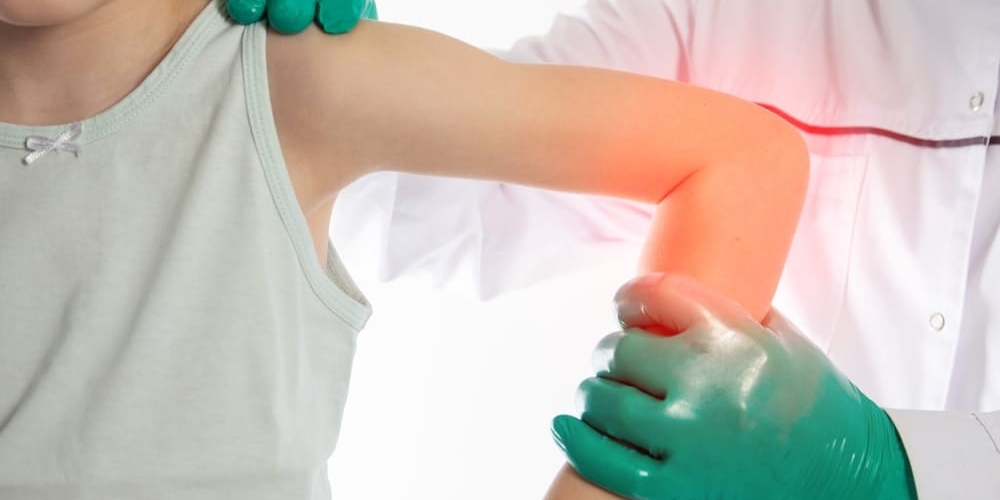
Hypermobility, otherwise known as joint hypermobility syndrome, is when a person’s joints haver greater range of flexibility and motion. This condition primarily affects children and young people, eventually easing as you get older. People with hypermobility can experience frequent dislocations, fatigue, sprains and strains, poor balance and thin or stretchy skin. There is no cure for joint hypermobility syndrome however, healthcare interventions and sensory aids can help regulate senses, improve muscle strength and mobility.
At Repose, we provide a wide range of Protac sensory products and specialist seating to soothe anxiety and improve posture, concentration and mobility.
Symptoms of Hypermobility
Symptoms of hypermobility include difficulty with proprioception, which is the body's ability to sense its position, movement and force. As a result of this, balance, movement coordination and motor control are all affected. Activities that involve fine motor skills (like buttoning up shirts or writing) and gross motor skills (like kicking a football, throwing or riding a bike) can also be challenging. Additionally, children with hypermobility can be more at risk of injuries such as joint sprains, dislocations and muscle imbalances.
Additional Symptoms of Hypermobility
- Flexibility
- Weak hands and finger strength
- Getting tired easily
- Discomfort or pain

How Sensory Products Aid Hypermobility in Children & Young People
Physiological & Anatomical Benefits
Posture
Postural instability can appear in children with hypermobility syndrome due to joint instability and joint laxity. This is because looser joints require muscles to work harder to maintain stability, which is why people with hypermobility are often tired or have a slouched posture. Managing hypermobility symptoms, such as posture, can be trained effectively by targeting core strength and stability, using aids such as balance boards or wobble cushions. These tools gently destabilise the body and encourage the child to activate their core muscle to develop better postural endurance.
Balance Training
Children with hypermobility have reduced proprioceptive feedback, which means that their brain has sensory processing difficulties in relation to where their bodies are in space. Sensory products help regulate position and movement through balance training. This can include weighted vests or lap pads, resistance bands, weighted balls, swings, rocking boards, spinning seats, compression vests, and fidget tools. Not only will these tools assist with balance and posture, but they will also improve concentration levels.
Socialisation & Child Development Benefits
Children with balance issues due to hypermobility or other developmental coordination disorders (DCD), like dyspraxia, can feel alienated in social settings. They may avoid situations that pose threats of injury or embarrassment. This kind of alienation is present in activities like sports or playtime, which are essential parts of learning and relationship building with other children. Sensory products can help regulate sensory and motor processes, which in turn, improves the child's ability to engage with others rather than avoid important experiences or carrying out daily activities.
Psychological & Wellbeing Benefits
For children and young people with hypermobility, the psychological effects, such as frustration, anxiety and emotional dysregulation, can often be as challenging as the physical symptoms. Protac sensory products, including weighted blankets and chairs, use deep touch pressure to provide calming sensory input that helps regulate the nervous system. This sense of physical stability can enhance confidence and self-esteem, allowing children to feel more secure and capable in their daily lives. As a result, they are better able to manage emotions, reduce anxiety, and engage more comfortably in social situations, supporting positive interactions and overall well-being.
Protac Sensory Products for Hypermobility
Several pieces of research have proposed a decrease in pain and discomfort when using lift chairs. Others have indicated that in addition to supporting the movement, lift chairs help keep muscle tone since there is a reduction in fatigue and regeneration in the lower skeletal joints. The main advantage of lift chairs is that; it reduces injury risk since users can move into a standing position without support. Here are some critical benefits of using healthcare chairs:
Protac MyFit® Sensory Stimulating Vest

This vest provides gentle deep pressure stimulation through its internal ball filling, helping to enhance proprioception and body awareness. For some children, it can encourage a greater sense of grounding and stability, supporting posture and sensory regulation during both movement and seated activities.
Protac Ball Cushion™ Standard
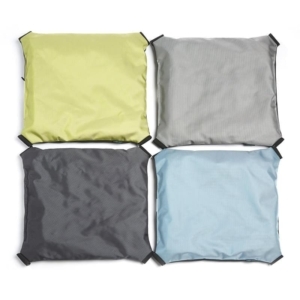
This seat cushion, filled with sensory balls, offers an effective alternative to a full chair. For children with hypermobility, it can provide additional proprioceptive feedback while seated, helping them maintain better posture, improve stability and reduce restlessness.
Protac Ball Cushion™ Square
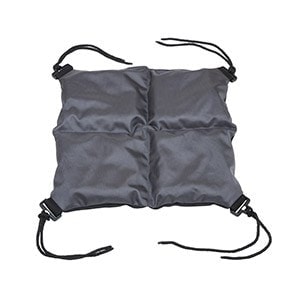
Another version of the ball cushion, this design offers similar sensory benefits by stimulating body awareness while sitting. It can be particularly useful for children who find standard chairs uncomfortable or unstable.
Protac MyFit® Weighted Vest / Sensory Weighted Gravity Vest

Although not all weighted vests are produced by Protac, they demonstrate the value of deep pressure therapy. These vests are designed to deliver calming sensory input that supports nervous system regulation, enhances proprioceptive feedback, and promotes better focus and stability for children who need additional sensory support.
Comfort and Ergonomic Cushions

Cushions such as the ProtoArc Butterfly Ergonomic Seat Cushion, POOTACK Ergonomic Memory Foam Seat Cushion and Aidapt Coccyx Wedge Cushion are not sensory in the same way as ball-filled or weighted products, but they do offer excellent ergonomic support. For children with hypermobility, this can mean better alignment of the hips, spine and lower back, helping to reduce discomfort and make sitting more sustainable and comfortable
Protac SenSit Junior Chair
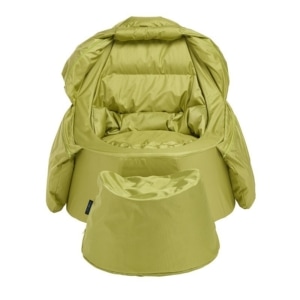
A smaller version of the Protac sensory chair designed especially for children, this chair offers enveloping comfort and gentle sensory pressure. For children with hypermobility, it can promote body awareness and a sense of security, helping them feel grounded and supported.
Protac SenSit Sensory Puff
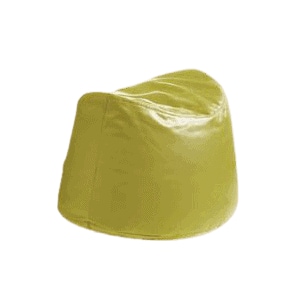
This full-size sensory chair provides deep tactile and proprioceptive input through its ball-filled seat, back and sides. The sensory stimulation helps improve body awareness, reduce restlessness, and support emotional regulation and confidence.
Protac SenSit Straight Chair
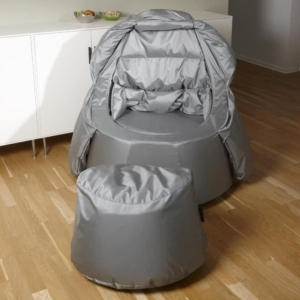
A high back version of the sensory chair, this model provides firm yet gentle support for those who find sitting or standing difficult. The adaptive ball filling moulds to the body, offering steady pressure that enhances body awareness and helps children feel more stable and confident.
Helpful Activities for Hypermobility
Each child will present different symptoms of hypermobility, so it is important to find the right therapeutic strategies to aid joint mobility, sensory issues, and persistent joint pain. We recommend contacting your local GP, who can arrange appointments with physiotherapists and occupational therapists. These allied healthcare professionals will work with you to create a personalised intervention for your child.
Examples of hypermobility interventions and activities can include the following:
● Low impact physical activities - swimming, dance classes, cycling.
● Sensory-based interventions - movement, tactile activities, deep pressure aids.
● Pain management strategies - joint protection, graded activity plans, or medication to relieve pain.
● Balance and co-ordination work - wobble cushion, stepping stones, heel-toe walking along a line.
● Proprioceptive activities - pushing or pulling weighted objects, carrying small objects, climbing on soft play equipment.
● Strengthening and stability exercises - core strength activities like bridges or planks, leg strengthening like wall sits or squats, or shoulder and arm strengthening activities.
FAQs: Sensory Aids for Hypermobility
According to Parkinson’s Foundation, the following home modifications should be made to create a safer home environment:
- Stable chairs with armrests and adequate seat height to make sure standing up is easier. Riser recliner chairs are a good choice as they allow the individual to angle their body in a position that is most comfortable to them.
- Implement good lighting throughout your home to minimise dark or shadowy areas.
- Ensure there are wide walking paths for easy access for a walker or wheelchair.