

Best Recliner Chairs for Hip Replacement & Post-Surgery Recovery

Recovery after hip surgery requires a higher degree of comfort and care that standard recliner chairs are not designed to meet. During a rehabilitation period that can extend for several months, individuals often manage pain, limited mobility, joint protection precautions, fatigue, and disrupted sleep. Seating, therefore, plays an important role in supporting safe movement, maintaining correct posture, and reducing strain on the recovering hip.
Our approach to recliner chair design is shaped by an understanding of how hip conditions and recovery affect everyday movement and comfort. Rather than relying on standard, off-the-shelf seating, we focus on providing chairs that support posture, controlled movement, and pressure management throughout each stage of recovery. Through our bespoke service, seating is tailored to the individual’s physical needs, environment, and functional ability. Where timely provision is required, our express chair service enables healthcare settings to access specialist seating promptly, helping ensure appropriate support is available when it is needed most, both in clinical settings and at home.
Common Causes of Hip Pain which Leads to Hip Replacement Surgery
Age
Age is a significant factor in hip pain and the likelihood of requiring hip replacement surgery. Data from an NHS study using Patient Reported Outcome Measures (PROMs) in England between 2021 and 2023 recorded 68,335 hip replacement procedures. Of these, 93.9% of patients were aged 50 or over, with 43.4% aged between 50 and 69, and 50.4% aged over 70.
As we age, the risk of hip problems increases due to natural changes in bone health, including reduced bone mass and density, which can make bones more vulnerable to damage. Ageing is also closely associated with osteoarthritis (OA), the most common form of arthritis, in which joint cartilage gradually breaks down. This leads to pain, stiffness, and reduced mobility, often affecting everyday activities. When hip joint damage becomes advanced and symptoms can no longer be managed with non-surgical treatments, hip replacement surgery may be recommended.

Falls & Injuries
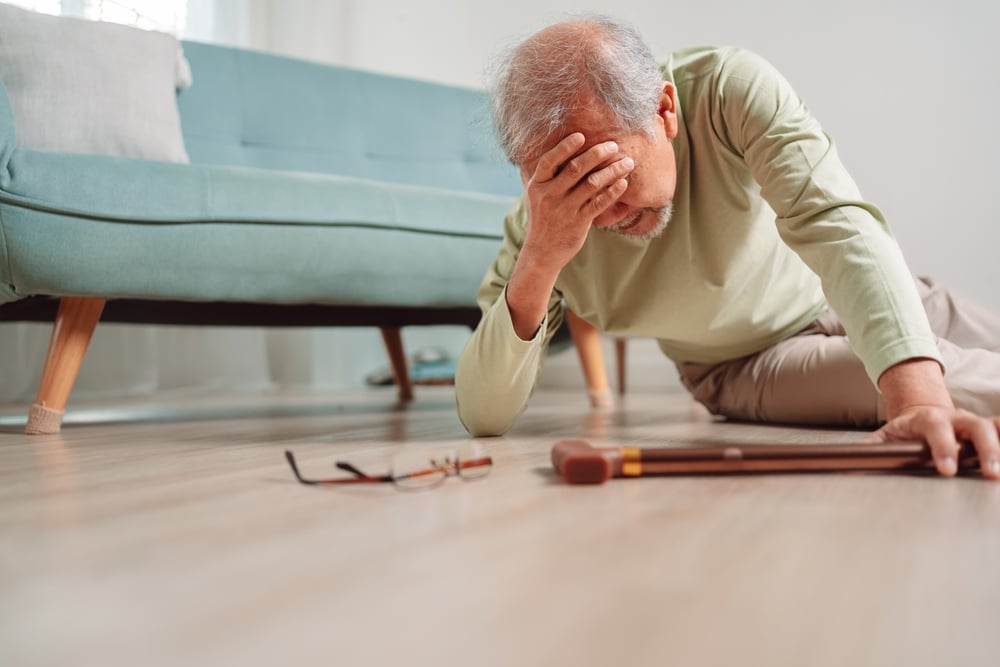
Falls and traumatic injuries can damage the structures of the hip, including bones, cartilage, muscles, and ligaments. Even minor falls may cause fractures, soft-tissue injury, or joint irritation, leading to pain, stiffness, and reduced mobility. In older adults or those with weakened bones, falls are a common cause of hip fractures, and may require surgical treatment to restore function and relieve pain.
Anatomical Differences Between Sexes, Menopause & Hormonal Changes
The NHS PROMs study also found that 58.9% of all hip replacements were carried out on female patients and 41.1% were male patients. In this study, females are more likely than males to undergo hip surgery. According to a separate study, hip pain and hip fractures are more prominent in females due to the nature and rate of bone loss in comparison to males.
Hormonal changes also play a part, particularly in females who are experiencing menopause. Oestrogen is a key component of bone protection and remodelling, so when oestrogen declines during menopause, bones become weakened and are more susceptible to breakages and pain. This change is called Osteoporosis, which the Birmingham Menopause Clinic claims is the reason one in two women will experience a fracture at some point in their lifetime.
Anatomical differences between males and females could be an additional contributing factor, as females typically have wider and shallower hips adapted for childbirth. Male hips are structured differently; they are thicker, heavier, and narrower, with the sole purpose of helping support stability and body mass.
While both sexes are affected by conditions such as osteoarthritis, fractures, inflammatory arthritis, bursitis, and tendinitis, females face additional risk related to osteoporosis, particularly after menopause, which may further increase the likelihood of hip pain, injury, and the need for surgical intervention.


Types of Arthritis
Osteoarthritis (OA)
A person with OA will experience pain and stiffness while carrying out daily activities because of progressive cartilage breakdown, which causes the bones (connected by the ball-and-socket joint) to rub against one another. Movements are no longer smooth and pain-free, while the space between the joints gets narrower.
Symptoms:
- Over 45 years of age
- Worsened groin, thigh and buttock pain or stiffness
- Limits daily life by disrupting sleep, walking, standing and even resting
Rheumatoid Arthritis (RA)
RA is a chronic inflammatory attack on the hip joint, damaging structures that are essential for seamless and painless movement. This autoimmune disease attacks the joint lining (synovium), leading to persistent inflammation, thickened joint lining, destructive enzymes, and ongoing pressure or swelling inside the joint.
Symptoms:
- Hip or groin pain
- Morning or rest-related stiffness
- Reduced hip movement
- Pain during walking or daily activities
Septic Arthritis
Septic arthritis, also known as joint infection, is a serious condition caused by bacteria (or less commonly other microorganisms) entering the hip joint. The infection triggers an intense inflammatory response within the joint lining (synovium), leading to rapid cartilage destruction, increased joint pressure, and severe pain. Without prompt treatment, permanent joint damage can occur.
Symptoms:
- Sudden, severe hip pain
- Pain that worsens with any movement or weight-bearing
- Joint stiffness and inability to move the hip normally
- Fever, chills, or feeling generally unwell
Bursitis
Hip bursitis is an inflammatory condition affecting the bursae—small, fluid-filled sacs that cushion and reduce friction between bones, tendons, and muscles around the hip. When a bursa becomes irritated or inflamed (often due to overuse, pressure, injury, or altered biomechanics), it leads to localised pain and discomfort during movement, even though the hip joint itself remains structurally intact.
Symptoms:
- Pain on the outside of the hip or thigh
- Pain that worsens with walking, climbing stairs, or lying on the affected side
- Tenderness over the hip
- Stiffness or discomfort after periods of inactivity
How Hip Pain Impacts Daily Life
Hip pain can significantly hinder a person’s quality of life, affecting basic movements such as walking, climbing stairs, bending to pick things up, dressing, and driving.
It can also interfere with sleep by making it difficult to find a comfortable position, causing pain when lying on the affected side, and triggering night-time stiffness or aching that leads to frequent waking and poor-quality rest.
Reduced sleep and mobility may result in avoidance of everyday tasks, self-care, and social engagement. As these gradual changes worsen over time, a person’s daily life and sense of normality can be affected, increasing the risk of anxiety and depression.

Recovering from Hip Surgery
Recovery can range from 3-12 months, taking into account several different factors such as:
- The underlying cause of the hip condition or injury
- Severity of joint or tissue damage
- Type of treatment or surgery performed
- Age and overall health of the individual
- Pre-existing conditions (such as arthritis or osteoporosis)
- Adherence to rehabilitation and physiotherapy
- Muscle strength and mobility before treatment
- Lifestyle factors, including activity level and smoking status
Recovery requires support by allied healthcare professionals, hospital staff, care home staff, and family and friends. This process can also involve transitioning between multiple settings, such as the hospital to home.
Throughout recovery, maintaining independence, mobility, and comfort is essential. Our specialist recliner chairs are designed to support these needs by being tailored to the individual, taking into account physical requirements, lifestyle, and the stage of recovery.
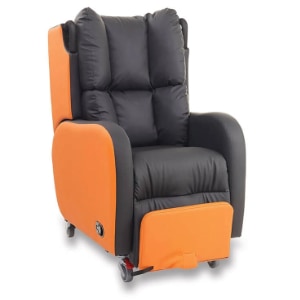
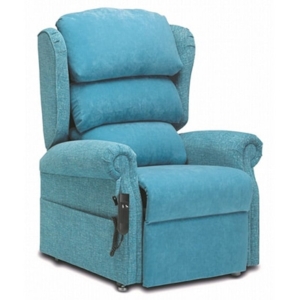
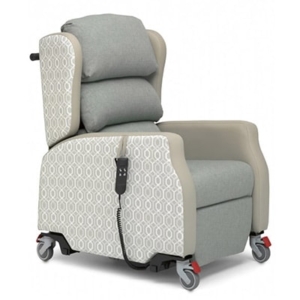
Choose from bespoke features, like armrest padding, adjustable seat height, cushioning and positioning options, posture management, different mechanisms (including tilt in space), and other ergonomic features. Additionally, all our chairs are made with built-in pressure management features.
We provide specialist seating for a wide range of settings, including hospitals, healthcare, homecare, and care homes, supporting continuity of care throughout the recovery journey.
Our Recliner Chair Recommendations for Hip Replacement Recovery


FAQs for Best Recliner Chairs for Hip Replacement
According to Parkinson’s Foundation, the following home modifications should be made to create a safer home environment:
- Stable chairs with armrests and adequate seat height to make sure standing up is easier. Riser recliner chairs are a good choice as they allow the individual to angle their body in a position that is most comfortable to them.
- Implement good lighting throughout your home to minimise dark or shadowy areas.
- Ensure there are wide walking paths for easy access for a walker or wheelchair.
Why Wait? Discover How Repose Can Help Reduce Manual Handling of Patients in Your Setting
Repose aims to make the lives of your staff and patients easier from the moment you get in touch. See how we work closely with our care home partners to provide an improved quality of life for everyone here
Alternatively, you can contact our team by using our quick and easy contact form below. You can also speak directly to a member of our team on +44 (0)1384 567401 or by emailing us at info@reposefurniture.com. We look forward to hearing from you.